6 Critical Roles of Hot Melt Adhesive Films in Shoe Manufacturing Bonding Processes
Hot melt adhesive films (HMAFs) have become indispensable in modern footwear production, revolutionizing bonding processes with unmatched efficiency, durability, and sustainability. For shoe manufacturers and suppliers targeting the global shoe industry, understanding and highlighting the advantages of these adhesives is essential for their seeking of high-strength bonding solutions.
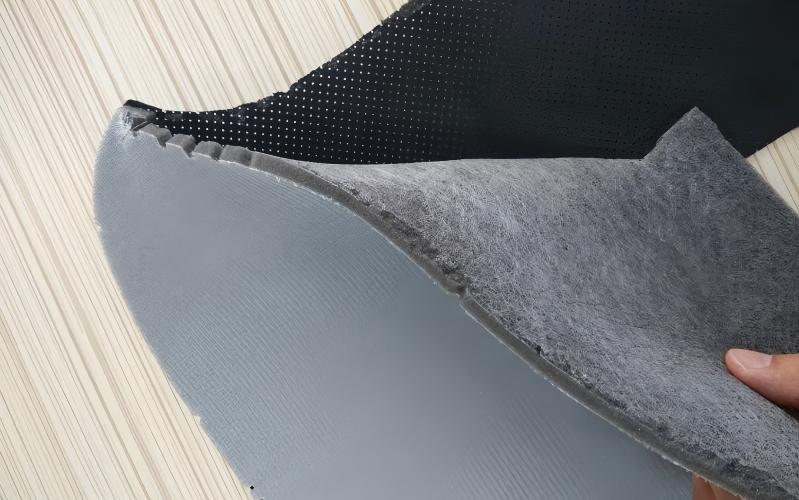
1. Enhanced Structural Integrity and Durability
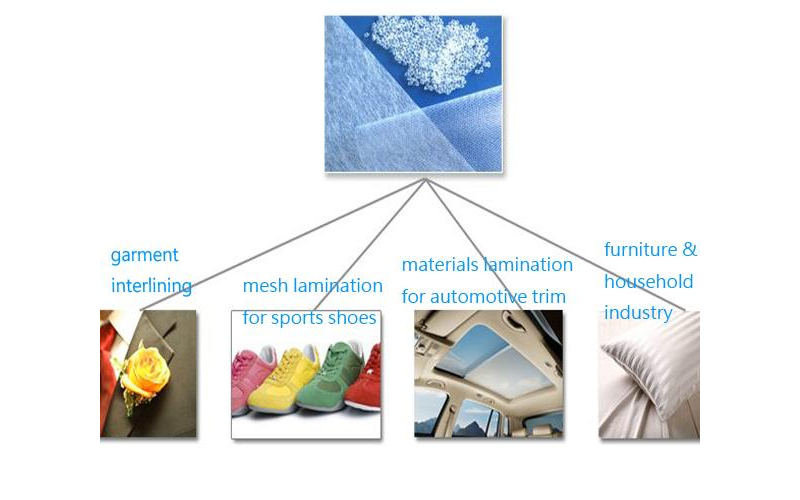
Hot melt adhesive films, particularly PES (Polyester), TPU(Polyurethane) based variants, deliver high-strength bonding across diverse shoe materials like leather, rubber, TPU, EVA, and textiles. Regarded as "durable shoe adhesives," "high-strength bonding solutions," "waterproof footwear adhesives", HMAFs are highly sought after materials for lamination/composite processing in footwear making sector. Their thermoplastic properties ensure:
- Permanent bonds resistant to mechanical stress, abrasion, and repeated flexing.
- Moisture and heat resistance, critical for footwear exposed to wet environments or extreme climates.
- Long-term durability, reducing product returns and enhancing brand trust.
2. Streamlined Manufacturing Efficiency
In fast-paced shoe production, time savings equate to cost savings. With advantages as "fast-curing shoe adhesives," "automated bonding solutions," "lean manufacturing adhesives", HMAFs excel by:
- Eliminating drying time: Bonds solidify instantly upon cooling, accelerating assembly.
- Enabling automation: Compatible with high-speed presses and robotic systems for scalable output.
- Reducing waste: Precise application minimizes adhesive overuse and rework.
3. Superior Flexibility and Comfort
Footwear must adapt to natural foot movement. As "flexible shoe adhesives," "comfort-enhancing bonding," "lightweight footwear adhesives", HMAFs provide:
- Elastic bonds that flex without cracking or delamination.
- Seamless integration of lightweight materials (e.g., knit uppers, foam midsoles), enhancing comfort.
- Thin, uniform layers that avoid bulkiness, maintaining shoe aesthetics.
4. Eco-Friendly and Regulatory Compliance
Sustainability is a priority for global footwear brands. HMAFs are generally accepted as eco-friendly materials by the shoemaking industry duo to as "sustainable shoe adhesives," "eco-friendly bonding solutions," "low-VOC footwear adhesives", and HMAFs align with green initiatives by:
- Zero VOCs: Solvent-free formulas meet strict environmental regulations (e.g., REACH, EU Ecolabel).
- Recyclability: Compatible with eco-conscious material recovery processes.
- Energy efficiency: Low-temperature activation reduces carbon footprint.
5. Versatility Across Footwear Applications
HMAFs cater to diverse shoe types, from athletic sneakers to luxury leather shoes:
- Outsoles: Secure rubber/TPU to midsoles with shock-absorbing bonds.
- Uppers: Bond textiles, synthetics, or leather without stitching.
- Insoles and linings: Attach cushioning materials seamlessly.
- "multi-material shoe adhesives," "athletic footwear bonding," "leather shoe adhesives"
6. Cost-Effective Production
HMAFs optimize budgets by:
- Reducing labor costs: Simplified processes require fewer skilled workers.
- Minimizing waste: Precise application lowers material consumption.
- Extending equipment life: Clean, residue-free bonding protects machinery.
- "cost-efficient shoe adhesives," "low-waste bonding solutions," "footwear production savings"