How to Make Right Decision Between Hot Melt Adhesive Film and Web?
Hot melt adhesive materials are widely used in industries such as apparel, shoemaking, packaging, and automotive interiors. Since hot melt adhesive film and hot melt adhesive mesh film are quite similar choices in function, many people have been confused for long in making an appropriate desicion in between the two.
Though both of them are hot melt type bonding materials, they differ in forms, manufacturing and application. Today, we will analyze the differences and help you make smart choice in the production work!
Morphological Differences
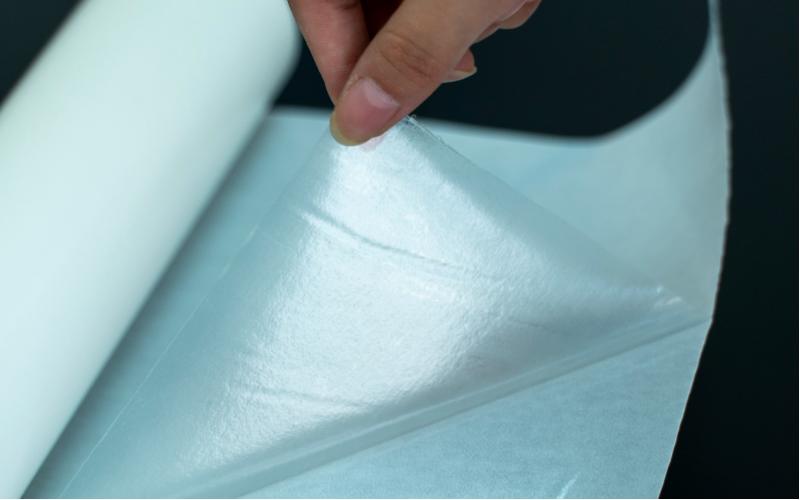
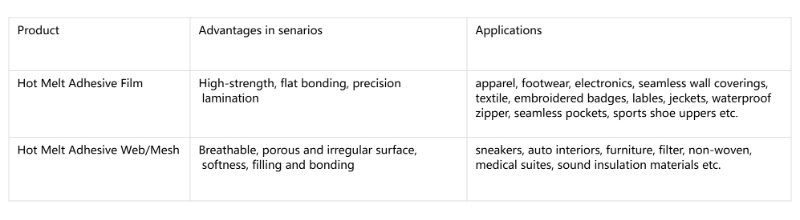
Hot Melt Adhesive Film: Thin film with a or without a release paper, uniform thickness, common supplied in rolls, similar to transparent or translucent plastic film.
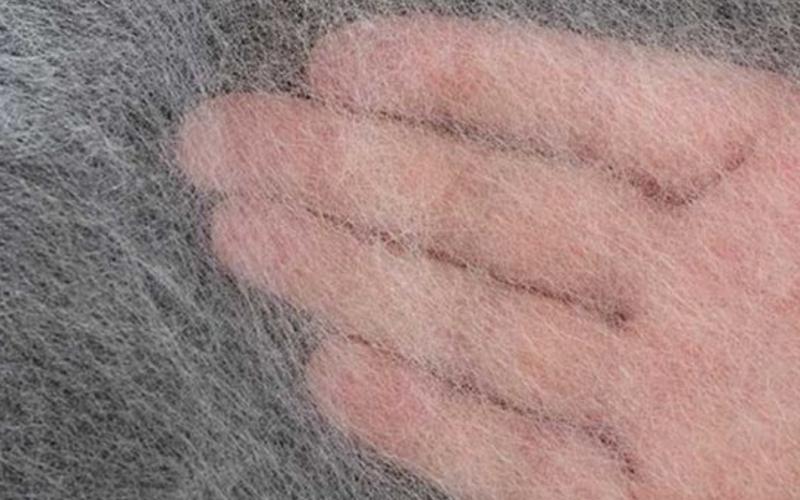
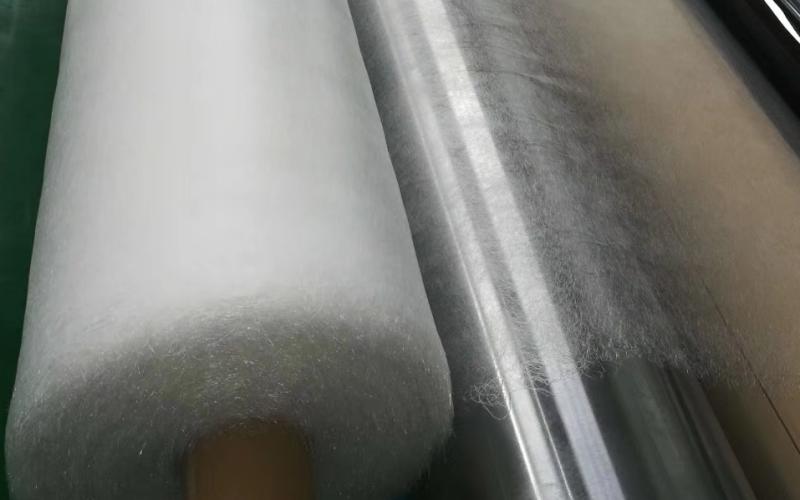
Hot Melt Adhesive Web: White mesh, interweaved with hot melt adhesive fibers, similar to non-woven fabric, better breathability than adhesive film.
Production Methods
Hot Melt Adhesive Film: Commonly produced by T-die extrusion or coating to form a even and smooth adhesive layer, similar to a thin film, with high bonding strength and suitable for precision lamination/composition of flat materials, such as shoe uppers, seamless pocket, zipper etc.
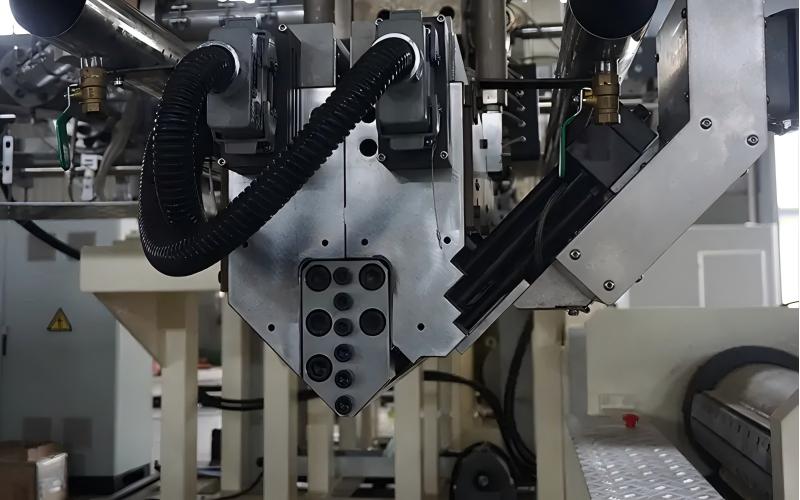
Hot Melt Adhesive Web: Using meltblown and spunbond methods to form a fluffy, porous fiber mesh structure, breathable, soft, and suitable for irregular surface bonding, such as automotive interiors, furniture.
Recommended Applications
Both hot melt film and web can be heated by hot pressing (e.g. flatbed lamination, roller pressing) or hot air to activate adhesion, but the mesh is more suitable for complex curved surfaces or applications requiring good breathability.
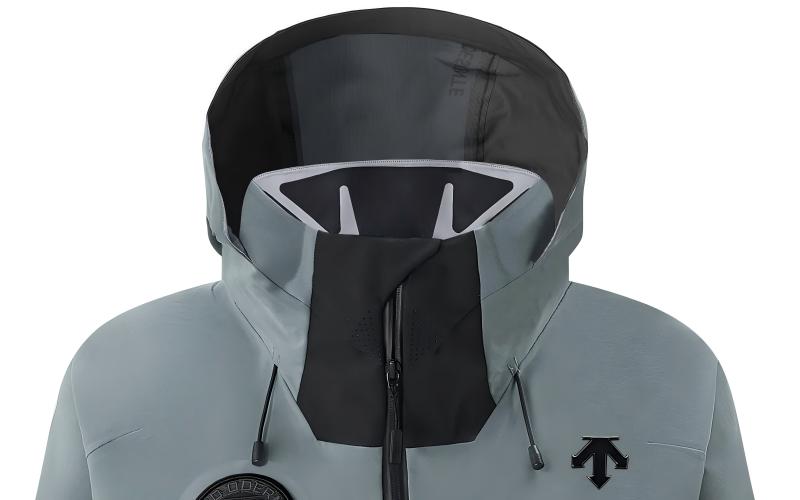
Hot melt adhesive film or web have their own advantages, the key is to choose the right adhesive according to the specific needs of your target materials and processing method. If you are still troubled on selection, then leave a message and get professional advice!